The Ultimate Guide to Choosing the Perfect Dog Breed for Your Lifestyle
Bringing a dog into your home is a joyous occasion, promising years of companionship, loyalty, and unconditional love. However, the decision shouldn’t be taken lightly. Choosing the perfect dog breed that aligns with your lifestyle is paramount to ensuring a harmonious relationship and a happy, healthy life for both you and your furry friend. With over 200 recognized dog breeds, each possessing unique characteristics, temperaments, and needs, careful consideration is essential before making this significant commitment. [4]
Understanding Your Lifestyle: A Self-Assessment
Before you begin exploring specific breeds, take an honest look at your own life. Picture what life with your new canine companion will be like. [3] Answering key questions about your daily routines, living environment, and expectations will significantly narrow down your options. [3]
Your Activity Level
Are you a couch potato or an avid adventurer? Your activity level is one of the most crucial factors in choosing a dog. High-energy breeds require ample daily exercise and mental stimulation to prevent boredom and destructive behaviors. [2, 4, 9] Conversely, if you prefer a more laid-back lifestyle, a calm, low-energy breed would be a better fit. [2, 4]
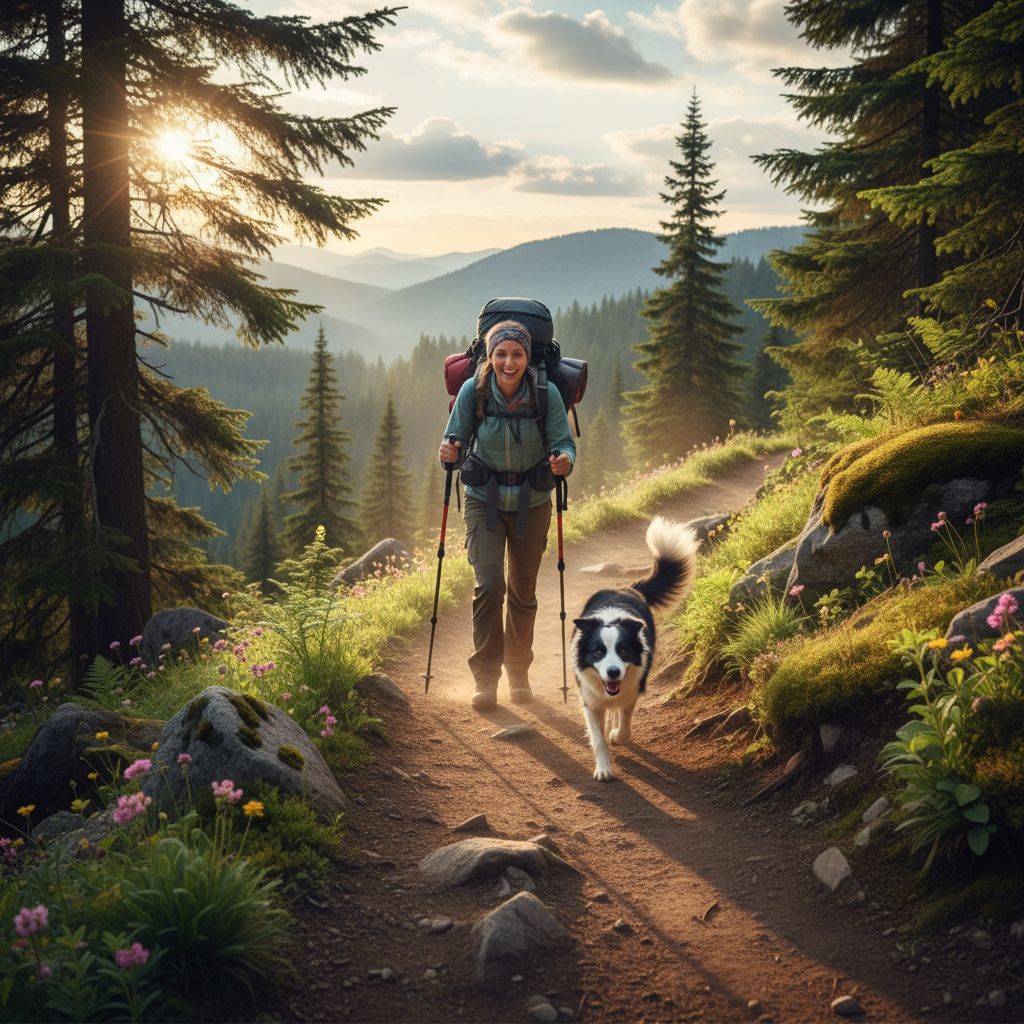
Caption: An active person enjoying a run with their energetic dog. [5]
Here’s a general guide to dog exercise needs based on energy levels:
| Energy Level | Daily Exercise Needs | Example Breeds |
|---|---|---|
| Low Energy | 30-60 minutes (gentle walks, short bursts of play) | Bulldog, Basset Hound, Pug, Chihuahua, Greyhound, Cavalier King Charles Spaniel [2, 3, 4, 5] |
| Moderate Energy | 60-90 minutes (structured walks, scent games, digging activities) | Beagle, Cocker Spaniel, French Bulldog, Shih Tzu, Boston Terrier [3, 5] |
| High Energy | 60-120+ minutes (intense play, running, hiking, agility training) | Border Collie, Labrador Retriever, Siberian Husky, German Shepherd, Jack Russell Terrier, Golden Retriever [2, 3, 4, 5, 9] |
Living Space
The size of your home and access to outdoor space play a significant role. Smaller breeds like Chihuahuas or Yorkshire Terriers may be happier in apartments and require less outdoor exercise. [4] Larger breeds like Golden Retrievers or Labradors thrive with ample outdoor space and opportunities for long walks. [4]
Time Commitment and Work Schedule
Your work schedule directly impacts the time you can dedicate to your dog. If you work long hours away from home, consider an independent breed that can handle being alone, such as a Chow Chow or Bullmastiff. [5] If you spend most of your days at home, a breed that thrives on constant companionship, like a Pug or Poodle, might be ideal. [5] Remember, adult dogs typically require 30 minutes to 2 hours of exercise daily, depending on their breed. [4]
Family Dynamics and Allergies
Consider who lives in your house: children, elderly family members, or other pets. [2, 3] Breeds known for their friendly and patient nature, like Labrador Retrievers and Golden Retrievers, are often excellent choices for families with children. [2, 5] If allergies are a concern, hypoallergenic breeds that shed minimally, such as Poodles or Bichon Frises, could be a good option. [2]
Your Experience Level
First-time dog owners might benefit from a more laid-back, easier-to-train breed. [2, 5] Breeds like the Cavalier King Charles Spaniel are known for their gentle nature and are often recommended for novice owners. [2] More experienced pet parents might be comfortable with high-maintenance breeds that require regular grooming or more extensive training. [5]
Budget Considerations
Owning a dog involves financial commitment beyond the initial purchase or adoption. Factor in costs for food, veterinary care, grooming, and training. Some breeds, especially those prone to certain health issues or requiring specialized diets, can be more expensive to maintain. [11]
Key Breed Characteristics to Consider
Once you have a clear understanding of your lifestyle, you can start matching it with specific breed characteristics.
Temperament and Personality
While individual personalities vary, breeds often have common temperamental traits. Some are naturally playful and friendly, while others are more independent or reserved. [4] Think about what kind of companion you desire. Do you want an affectionate lap dog or a more independent guard dog?
Grooming Requirements
Dog grooming needs vary significantly by coat type, impacting the time and effort you’ll need to invest. [2, 3]
- Short-haired breeds (e.g., Boxers, Beagles, Dalmatians) generally require weekly brushing and occasional baths. [2, 3]
- Medium-haired breeds (e.g., Cocker Spaniels) benefit from brushing twice a week and monthly baths. [2]
- Long-haired breeds (e.g., Shih Tzus, Yorkshire Terriers, Afghan Hounds) need daily brushing to prevent tangles and mats, plus regular trims every few months. [2, 3]
- Curly-coated breeds (e.g., Poodles, Bichon Frises) require frequent brushing (daily if possible) and professional grooming every 4-6 weeks to prevent matting. [3, 5]
- Double-coated breeds (e.g., Golden Retrievers, Huskies, German Shepherds) have a dense undercoat and need regular brushing, especially during shedding seasons, but should never be shaved. [3, 4, 5]
- Breeds with skin folds, like Bulldogs or Pugs, require regular cleaning to prevent infections. [4]
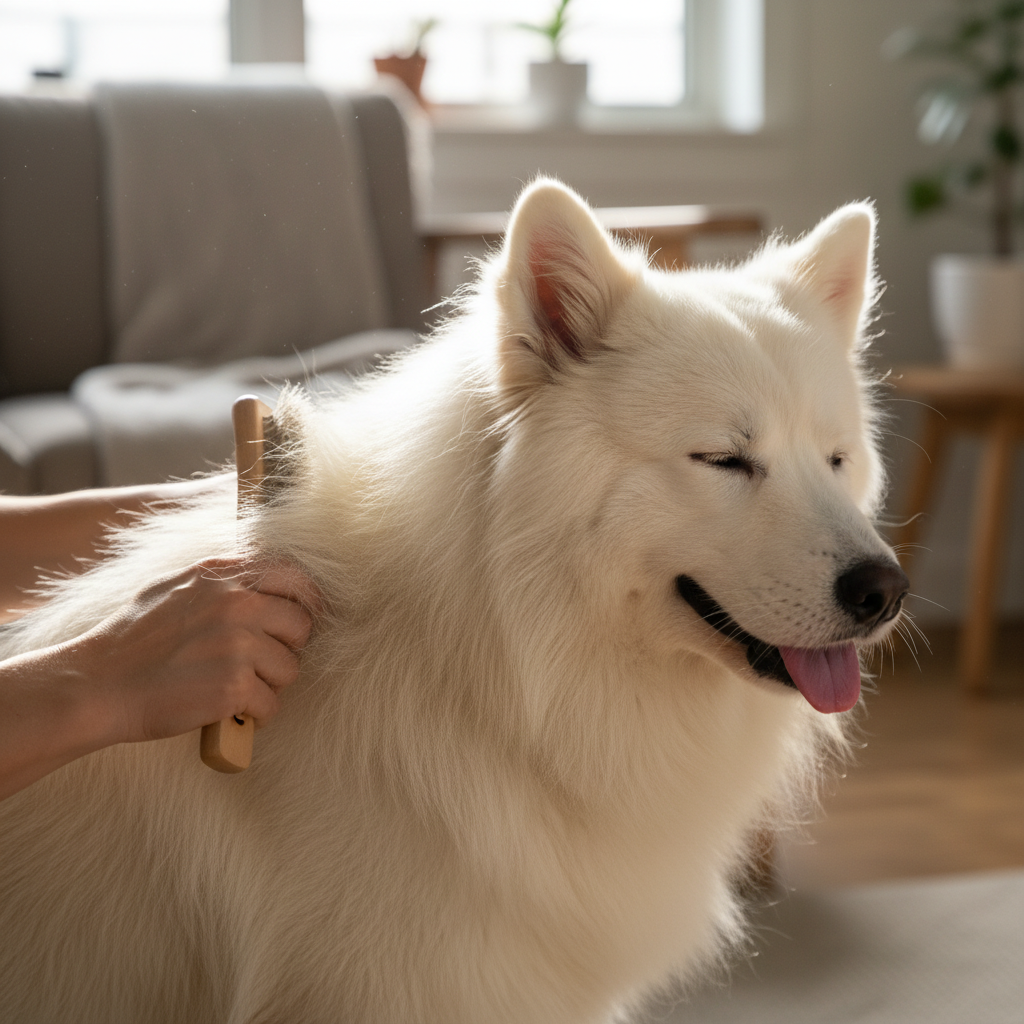
Caption: A person grooming a long-haired dog to prevent mats and tangles. [6]
Trainability
Some breeds are eager to please and quick to learn, while others are known for being more independent or stubborn. Working, sporting, and herding breeds like Border Collies, German Shepherds, and Labrador Retrievers are often considered among the easiest to train due to their intelligence and desire to work with humans. [6, 7] Conversely, breeds like Siberian Huskies, Chow Chows, Beagles, and Afghan Hounds can be more challenging due to their high energy, independent nature, or strong prey drive. [5, 7, 8]
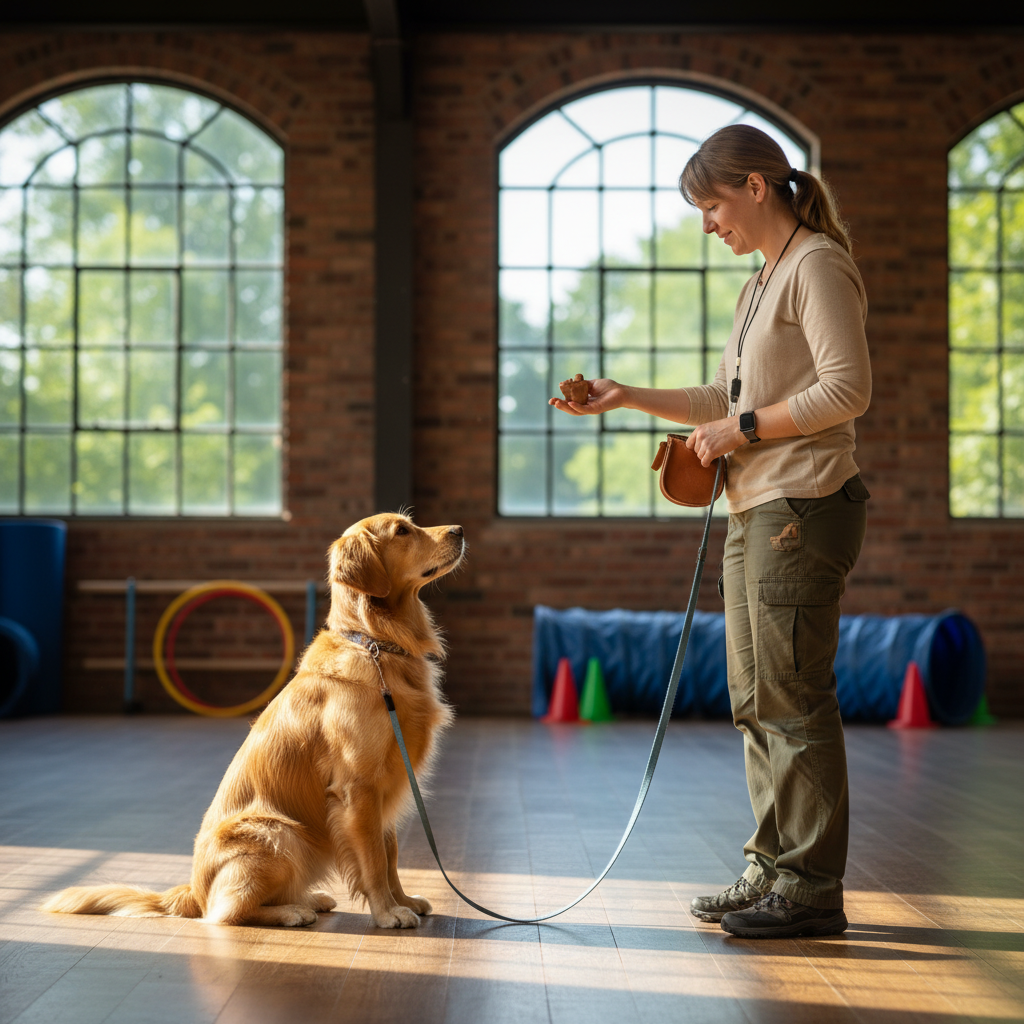
Caption: A dog eagerly learning commands during a training session. [4]
Health Considerations
While all dogs can face health challenges, some breeds are predisposed to specific conditions. For example, German Shepherds can be prone to hip dysplasia, arthritis, and degenerative myelopathy. [11] Researching common health issues for breeds you’re considering can help you prepare for potential veterinary costs and care needs.
Adoption Versus Breeder: Making an Ethical Choice
When acquiring a dog, you generally have two main options: adopting from a shelter or rescue, or purchasing from a reputable breeder. Each has its advantages:
- Adoption: Shelters are filled with dogs of all ages and breeds (including mixed breeds) seeking loving homes. Adopting gives a dog a second chance and often comes with the benefit of having the dog already spayed/neutered and up-to-date on vaccinations. Shelter staff can also provide insights into a dog’s observed personality and history. [3]
- Reputable Breeders: A good breeder focuses on the health and temperament of their dogs. They will be transparent about the lineage, health screenings of the parent dogs, and early socialization of puppies. Look for breeders who are part of relevant breed clubs and are willing to answer all your questions. [6]
Putting It All Together: The Decision-Making Process
Choosing a dog is a deeply personal decision. [3] Take your time, do your research, and don’t rush the process. [4] If you’re struggling, consider fostering a dog first, or spending time with different breeds at shelters or through breed-specific meetups. Talk to shelter staff or breeders to gain invaluable insights. [3] The goal is to find a companion whose needs and personality complement your own, creating a strong and lasting bond.
Frequently Asked Questions (FAQ)
What are the easiest dog breeds for first-time owners?
Breeds generally recommended for first-time owners include the Cavalier King Charles Spaniel, Golden Retriever, Labrador Retriever, and Poodle, known for their gentle nature, intelligence, and eagerness to please. [2, 4, 7]
How much exercise does a dog need daily?
The amount of exercise a dog needs varies significantly by breed, age, and individual health. Generally, dogs require anywhere from 30 minutes to over 2 hours of activity each day. High-energy breeds like Border Collies or Siberian Huskies need more intense and prolonged exercise than low-energy breeds like Bulldogs or Pugs. [4, 5, 9]
How often should I groom my dog?
Grooming frequency depends on your dog’s coat type. Short-haired breeds may only need weekly brushing, while long-haired or curly-coated breeds require daily brushing and professional grooming every 4-6 weeks to prevent matting. Double-coated breeds need frequent brushing, especially during shedding seasons. [2, 3, 5, 6]
Sources & References
- places/ChIJYzaKHzF3AjoRCRwAVzdVVnc (Google Maps)
- places/ChIJbQ1Y5DZ2AjoR-OyovqzR2MM (Google Maps)
- places/ChIJgSzAYMOf-DkRTdk_casr0eM (Google Maps)
- places/ChIJ6Tn8PkF2AjoReinuRbCDFI8 (Google Maps)
- places/ChIJEb6lnx6f-DkRL-Pgb1M7huw (Google Maps)
- places/ChIJexRp8jF7AjoR4MPpsyger20 (Google Maps)
- places/ChIJXa2ZTnSf-DkR2goikGuBqws (Google Maps)
- places/ChIJqQRmfYF5AjoR0MCrxNw0JX0 (Google Maps)
- places/ChIJ3zOV1oqe-DkRzpVdQohMuAA (Google Maps)
- places/ChIJBVZvJDp3AjoRwqmyz-7TBIg (Google Maps)
- places/ChIJC5SitZSf-DkRIZqiqzQofX4 (Google Maps)
- places/ChIJ-YYWlP6d-DkRp4um7IQYenw (Google Maps)
- places/ChIJMbu7Uwif-DkRJJ4ElB608YA (Google Maps)
- places/ChIJm3Yi-hWf-DkR6zBJfDrYbRE (Google Maps)
- places/ChIJ2ZhCWh6d-DkRE1immv6m7BM (Google Maps)
- places/ChIJxchxfE_kN6IR9cXmGByui5Y (Google Maps)
- places/ChIJx_fTj-pzAjoRxIdQxTvZ4Ac (Google Maps)
- places/ChIJ2e8-k6Cf-DkRmSQIxhhzYDA (Google Maps)
- places/ChIJgSzAYMOf-DkRTdk_casr0eM (Google Maps)
- places/ChIJDYMFUUdzAjoRqvnOEXO8WW8 (Google Maps)
- places/ChIJVTx-BU52AjoRacdFMpAWzhQ (Google Maps)
- places/ChIJ5-TBlKTrAUoRTOuCRhYJXxU (Google Maps)
- places/ChIJZ4NYti11AjoRt-3Lnp4tNk8 (Google Maps)
- places/ChIJw2Yb8Ed7AjoROWrTX1Uka70 (Google Maps)
- places/ChIJ9cLSl4-j-DkR6DcLaXUBqCg (Google Maps)
- places/ChIJd-3nEG5xAjoRr7cOXIHtHho (Google Maps)
- places/ChIJ2VmGCE5xAjoRwM_nw3iN39M (Google Maps)
- places/ChIJ5zvMOih7AjoRQLdG9gbvl_E (Google Maps)