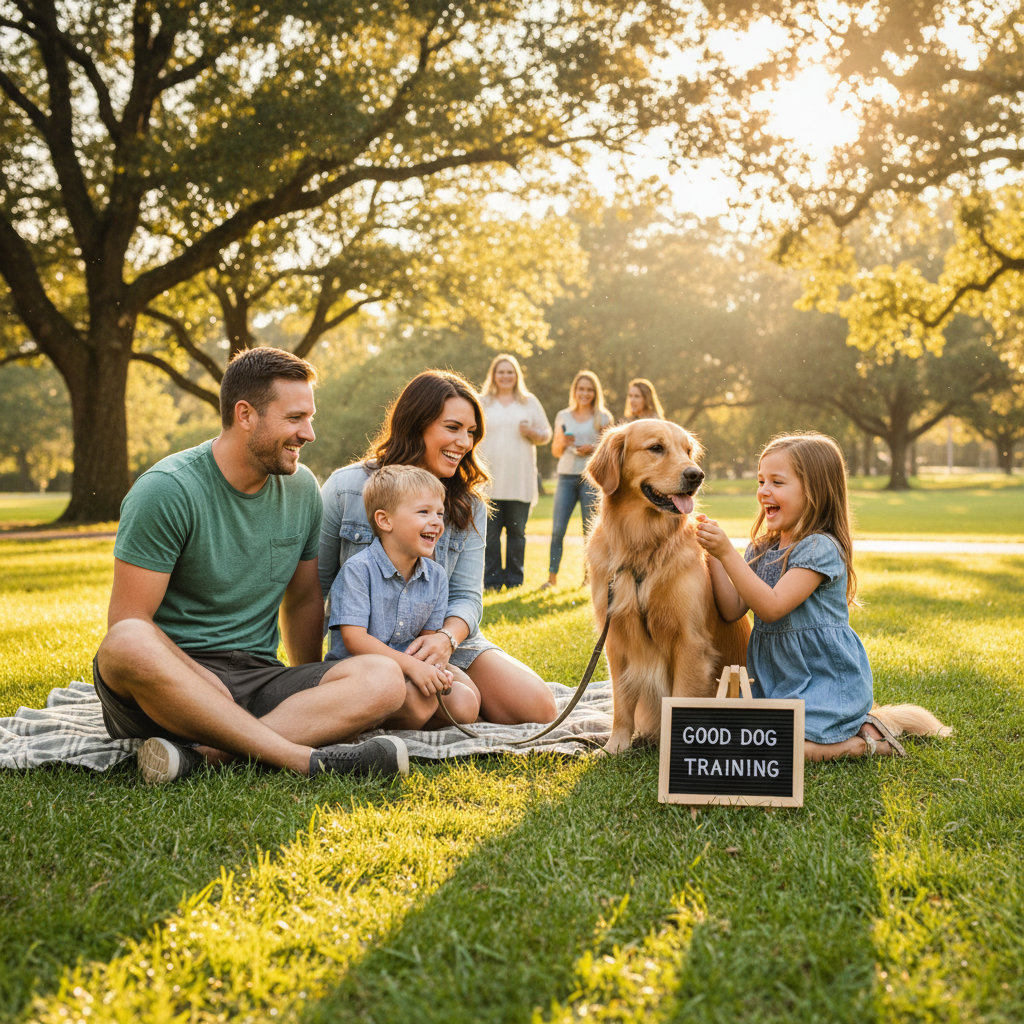
10 Essential Training Tips Every New Dog Owner Needs to Know
Bringing a new dog into your home is an exciting and rewarding experience, marking the beginning of a beautiful companionship. However, it also comes with the significant responsibility of ensuring your furry friend is well-behaved, happy, and well-adjusted. Proper training is not just about teaching commands; it’s about building a strong bond, fostering trust, and establishing clear communication. For first-time dog owners, the journey can seem daunting, but with the right approach and a little patience, you can lay a solid foundation for a lifetime of harmony with your canine companion.
This article will delve into 10 essential training tips, backed by expert advice and scientific understanding, to help every new dog owner navigate this crucial period successfully. From early socialization to positive reinforcement techniques, these guidelines are designed to make the training process enjoyable and effective for both you and your new best friend.
The Foundation of a Well-Behaved Dog
1. Start Early and Be Consistent
The best time to begin training your dog is as soon as they arrive home, regardless of age. Puppies, especially during their critical socialization period (3 to 14-17 weeks), are highly receptive to learning [4, 5, 6]. Establishing rules and routines from day one prevents bad habits from forming and provides your dog with a sense of security and predictability. Consistency is paramount: all family members should use the same commands, rules, and reward systems to avoid confusing your dog [2, 4, 6].
- Early Start: Begin foundational training immediately.
- Unified Front: Ensure everyone in the household uses consistent commands and expectations.
- Routine: Implement a daily schedule for feeding, potty breaks, and training sessions.
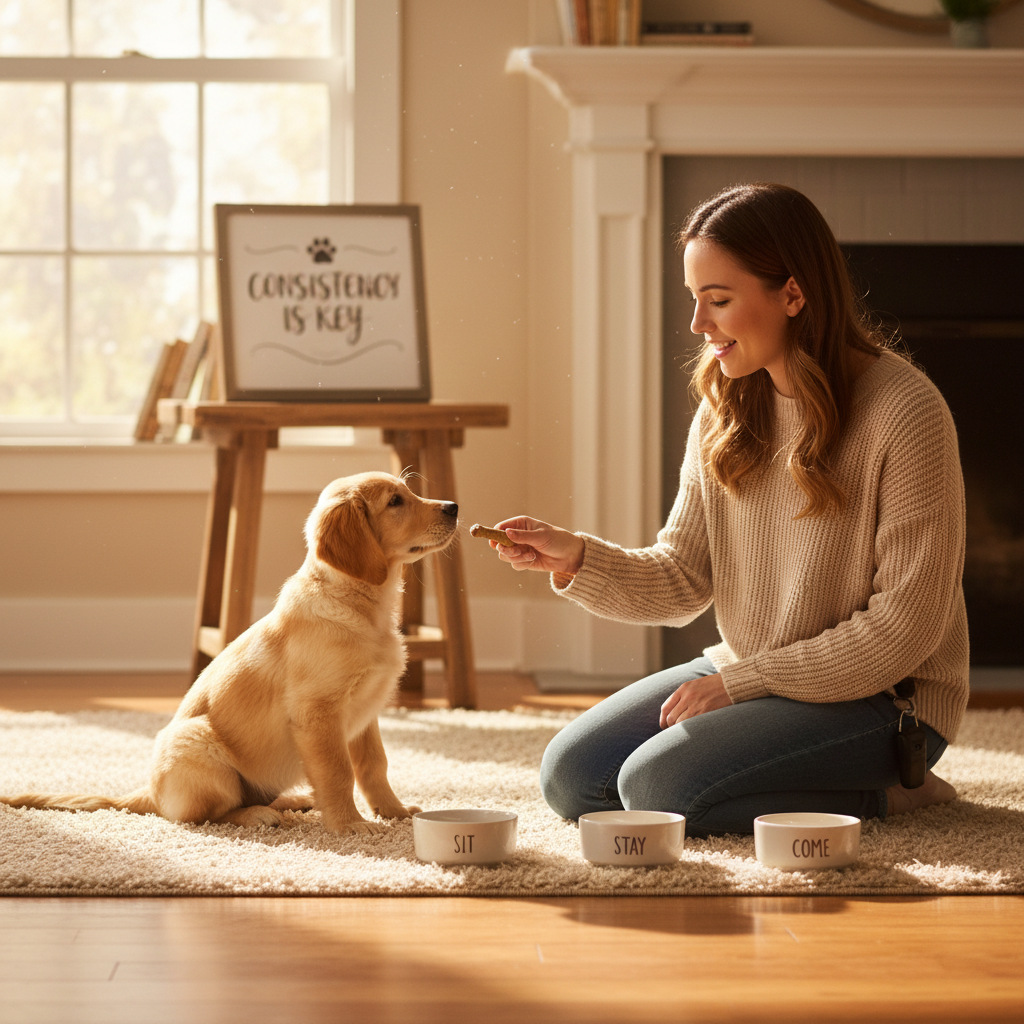
2. Positive Reinforcement is Key
Dogs respond exceptionally well to positive reinforcement, which involves rewarding desired behaviors with treats, praise, toys, or affection [2, 4, 5]. This method strengthens the bond between you and your dog and encourages them to repeat good actions. Studies have shown that dogs trained with positive reinforcement exhibit significantly fewer stress-related behaviors compared to those trained with discipline-based methods (8% versus 65% respectively) [4, 5].
- Reward Good Behavior: Immediately reward your dog when they perform a desired action.
- Avoid Punishment: Punishment can create fear and anxiety, hindering the learning process and potentially damaging your relationship [3, 5, 11].
- High-Value Treats: Use highly motivating treats, especially for new commands or in distracting environments.
3. Socialization is Non-Negotiable
Proper socialization exposes your puppy to a variety of people, animals, environments, sounds, and experiences in a positive and controlled manner [3, 6]. This builds confidence, encourages friendly behavior, improves adaptability, and prevents common behavioral issues like aggression, fearfulness, and reactivity later in life [2, 3, 4].
- Diverse Exposure: Introduce your dog to different sights, sounds, smells, and textures.
- Positive Interactions: Ensure all new experiences are positive and non-threatening.
- Puppy Classes: Enroll in puppy classes for structured, safe socialization opportunities [6].
4. Crate Training for Safety and Comfort
Crate training, when done correctly, provides your dog with a safe, den-like space and can be an invaluable tool for house-training, managing destructive chewing, and ensuring their safety when unsupervised [4, 5]. Never use the crate as a punishment [2].
- Positive Association: Make the crate a pleasant place with comfy bedding and toys.
- Gradual Introduction: Slowly acclimate your dog to the crate with short, positive sessions.
- Proper Size: Ensure the crate is large enough for your dog to stand up, turn around, and lie down comfortably.
5. Leash Training: Mastering the Walk
Effective leash training is essential for safe and enjoyable walks. A well-trained dog will walk calmly beside you without pulling, ensuring both your safety and theirs [4]. Start in a quiet environment and gradually introduce more distractions.
- Proper Gear: Use a comfortable collar or harness and a sturdy leash.
- Consistent Side: Teach your dog to walk on one side consistently.
- Reward Loose Leash: Praise and reward your dog whenever the leash is slack.
6. Potty Training: Patience and Routine
Potty training requires patience, consistency, and a strict routine. Frequent trips outside, especially after waking up, eating, and playing, are crucial. Rewarding successful eliminations outdoors reinforces the desired behavior [2, 3].
- Frequent Breaks: Take your dog out often, especially puppies.
- Scheduled Meals: Feed your dog at consistent times to help predict potty needs.
- Positive Reinforcement: Lavishly praise and reward your dog immediately after they relieve themselves outside.
7. Teach Basic Commands
Basic commands like ‘sit,’ ‘stay,’ ‘come,’ and ‘leave it’ are not just tricks; they are vital for your dog’s safety and your ability to manage their behavior in various situations [4]. Practice these commands in short, frequent sessions.
- Start Simple: Begin with one command at a time in a distraction-free environment.
- Short Sessions: Keep training sessions brief (5-10 minutes) and fun [4].
- Generalize: Practice commands in different locations and with increasing distractions as your dog progresses.

8. Address Nipping and Biting Early
Puppy nipping and mouthing are normal, but it’s crucial to teach bite inhibition early on. If not addressed, these behaviors can escalate into more serious problems. Teach your puppy that human skin is sensitive by yelping and withdrawing attention if they bite too hard [5].
- Yelp and Withdraw: React with a high-pitched ‘ouch’ and immediately stop play.
- Redirect: Offer appropriate chew toys when your puppy starts to mouth or nip.
- Consistency: Ensure everyone in the household follows the same protocol.
9. Manage Chewing Habits
Chewing is a natural dog behavior, but it needs to be directed towards appropriate items. Provide a variety of durable chew toys and rotate them to keep your dog interested. Bitter sprays can deter chewing on inappropriate objects [3].
- Provide Alternatives: Always have plenty of appropriate chew toys available.
- Supervise: Monitor your dog to prevent them from chewing on forbidden items.
- Bitter Sprays: Apply pet-safe bitter sprays to furniture or other off-limits items.
10. Seek Professional Help When Needed
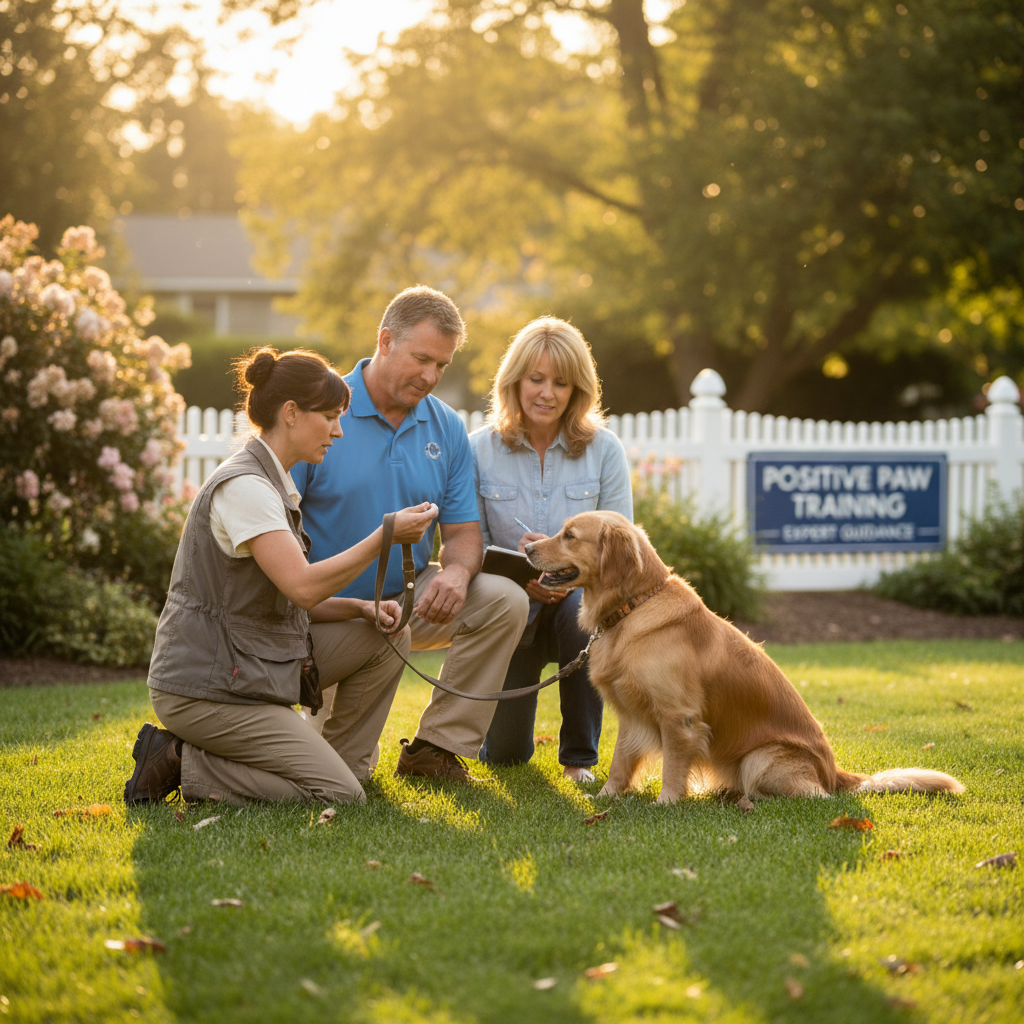
Don’t hesitate to seek guidance from a certified professional dog trainer or behaviorist if you encounter challenges you can’t resolve on your own. Professional trainers offer expertise, customized training plans, and can help address specific behavioral issues, strengthening the bond between you and your dog [3, 4, 7].
- Early Intervention: Address problematic behaviors before they become ingrained.
- Expert Guidance: Benefit from tailored advice and proven techniques.
- Enhanced Bond: Professional training can significantly improve communication and your relationship with your dog [4, 6, 7].
Benefits of Early and Consistent Training
Investing time in your dog’s training from an early age yields numerous long-term benefits for both the dog and the owner. These advantages extend beyond basic obedience, contributing to a happier, healthier, and more harmonious life together. Early training fosters a deeper understanding between you and your dog, promoting better communication and reducing the likelihood of behavioral problems that can strain the relationship.
For instance, well-socialized and trained dogs are less prone to fear-based aggression and anxiety, leading to a more adaptable pet in various situations like vet visits or meeting new people [2, 3, 5]. Professional training, in particular, has been shown to improve communication and behavior management, offering tailored solutions for specific issues [4, 5].
| Benefit Area | Impact on Dog | Impact on Owner |
|---|---|---|
| Behavior & Obedience | Reduces destructive behaviors, enhances responsiveness to commands, builds confidence. | Creates a well-mannered pet, reduces frustration, improves control in public. |
| Socialization | Fosters friendly interactions with people and other animals, reduces fear and reactivity. | Enables enjoyable outings, reduces stress in social settings, prevents embarrassment. |
| Safety | Ensures quick response to safety commands (e.g., ‘come,’ ‘leave it’), prevents accidents. | Provides peace of mind, avoids dangerous situations, protects property. |
| Bonding & Relationship | Builds trust and understanding, strengthens attachment. | Deepens connection, creates a more fulfilling companionship. |
Common Training Mistakes to Avoid
Even with the best intentions, new dog owners can inadvertently make mistakes that hinder the training process. Being aware of these common pitfalls can help you avoid them:
- Inconsistency: Sending mixed signals with inconsistent rules or commands can confuse your dog [2, 4].
- Punishment-Based Training: Using harsh corrections or punishment can lead to fear, anxiety, and aggression, damaging your bond [3, 5, 11].
- Lack of Patience: Training takes time. Getting frustrated or giving up too soon can undermine progress [2].
- Too-Long Sessions: Dogs, especially puppies, have short attention spans. Keep sessions brief and engaging [4].
- Not Socializing Enough: Neglecting early and ongoing socialization can lead to fear and reactivity in new situations [4].
Frequently Asked Questions (FAQ)
How long does it take to train a puppy?
The duration of puppy training varies greatly depending on the individual puppy, breed, consistency of training, and the owner’s dedication. While basic commands can be learned in a few weeks, house-training might take several months. Socialization is an ongoing process that extends beyond puppyhood. It’s best to view training as a continuous journey throughout your dog’s life, with early puppyhood providing the critical foundation [4].
What are the most important commands to teach first?
For a new dog owner, the most crucial commands to teach first are ‘sit,’ ‘stay,’ ‘come,’ and ‘leave it’ [4]. These commands are essential for your dog’s safety and provide foundational control in various situations. ‘Come’ is particularly vital for recall in emergencies, while ‘leave it’ can prevent your dog from ingesting harmful items. Starting with these basic commands builds a strong foundation for more advanced training.
Should I use treats for training?
Absolutely! Using treats, along with praise and other rewards, is a cornerstone of positive reinforcement training [3, 5]. Treats are highly effective motivators, especially when introducing new behaviors. As your dog masters a command, you can gradually reduce the reliance on treats and transition to intermittent rewards, using praise and toys more frequently. High-value treats are particularly useful in distracting environments to capture and maintain your dog’s attention.
By embracing these 10 essential training tips, new dog owners can embark on their journey with confidence, building a strong, loving, and respectful relationship with their canine companions. Remember that patience, consistency, and positive reinforcement are your greatest tools in raising a happy and well-behaved dog.
Sources & References
- places/ChIJm3Yi-hWf-DkR6zBJfDrYbRE (Google Maps)
- places/ChIJwTkASbed-DkRjL5a0xSOiaY (Google Maps)
- places/ChIJ-YYWlP6d-DkRp4um7IQYenw (Google Maps)
- places/ChIJk0nxSD1T5igRGqtFVe9lFNg (Google Maps)
- places/ChIJDYMFUUdzAjoRqvnOEXO8WW8 (Google Maps)
- places/ChIJ2ZhCWh6d-DkRE1immv6m7BM (Google Maps)
- places/ChIJMbu7Uwif-DkRJJ4ElB608YA (Google Maps)
- places/ChIJZ4NYti11AjoRt-3Lnp4tNk8 (Google Maps)
- places/ChIJm3Yi-hWf-DkR6zBJfDrYbRE (Google Maps)
- places/ChIJ2e8-k6Cf-DkRmSQIxhhzYDA (Google Maps)
- places/ChIJxchxfE_kN6IR9cXmGByui5Y (Google Maps)
- places/ChIJ-YYWlP6d-DkRp4um7IQYenw (Google Maps)
- places/ChIJx_fTj-pzAjoRxIdQxTvZ4Ac (Google Maps)
- places/ChIJDYMFUUdzAjoRqvnOEXO8WW8 (Google Maps)
- places/ChIJ5zvMOih7AjoRQLdG9gbvl_E (Google Maps)
- places/ChIJ2ZhCWh6d-DkRE1immv6m7BM (Google Maps)
- places/ChIJm3Yi-hWf-DkR6zBJfDrYbRE (Google Maps)
- places/ChIJZ4NYti11AjoRt-3Lnp4tNk8 (Google Maps)
- places/ChIJ-YYWlP6d-DkRp4um7IQYenw (Google Maps)
- places/ChIJ6Tn8PkF2AjoReinuRbCDFI8 (Google Maps)
- places/ChIJaTTxTO6d-DkRPdIHYcSug_c (Google Maps)
- places/ChIJgSzAYMOf-DkRTdk_casr0eM (Google Maps)
- places/ChIJo2YlulxxAjoRxYPDpR-eVak (Google Maps)
- places/ChIJMbu7Uwif-DkRJJ4ElB608YA (Google Maps)
- places/ChIJx_fTj-pzAjoRxIdQxTvZ4Ac (Google Maps)
- places/ChIJ2ZhCWh6d-DkRE1immv6m7BM (Google Maps)
- places/ChIJm3Yi-hWf-DkR6zBJfDrYbRE (Google Maps)
- places/ChIJDYMFUUdzAjoRqvnOEXO8WW8 (Google Maps)
- places/ChIJxchxfE_kN6IR9cXmGByui5Y (Google Maps)
- places/ChIJZ4NYti11AjoRt-3Lnp4tNk8 (Google Maps)
- places/ChIJ5zvMOih7AjoRQLdG9gbvl_E (Google Maps)
- places/ChIJw2Yb8Ed7AjoROWrTX1Uka70 (Google Maps)
- places/ChIJqZpfd_NxAjoRGwNoaTw-qIE (Google Maps)
- places/ChIJ-YYWlP6d-DkRp4um7IQYenw (Google Maps)
- places/ChIJGYEheZjF-DkRfdfQlXtjqww (Google Maps)
- places/ChIJd-3nEG5xAjoRr7cOXIHtHho (Google Maps)